

Ideas on financial reform in China: 2013-2020
In the morning of July, 20, 2013, Mr, Xie Ping, vice president of China Investment Corporation, presented ‘Hongrui Forum’ in addressing Ideas on Financial Reform in China: 2013-2020 to share with honoured guests on the past and retrospect of domestic financial reforms. Fu Weigang, executive president of Shanghai Institute of Finance and Law, hosted the meeting that involves over 100 industry delegates.
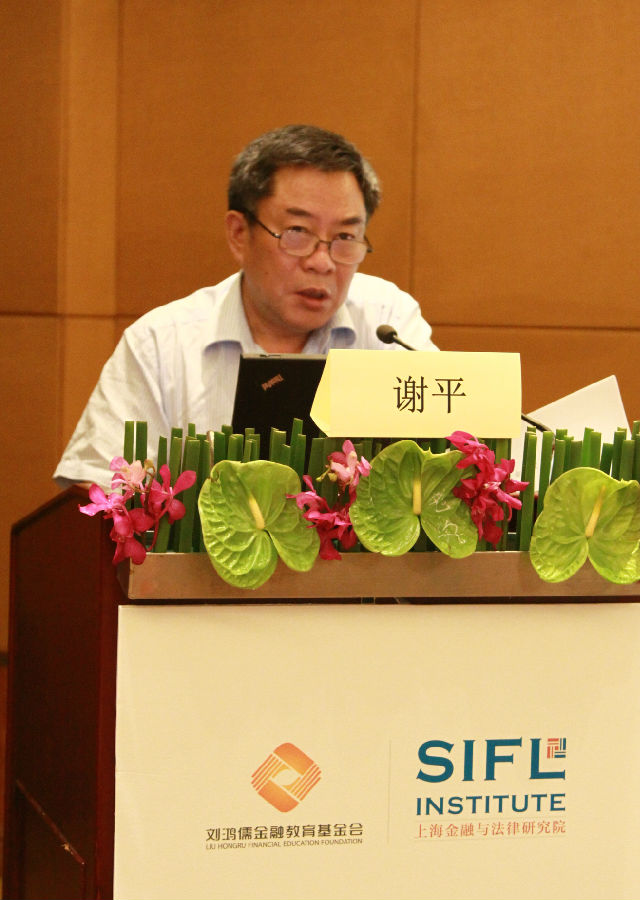
As participant for many great decisions regarding financial reforms in China, Mr. Xie Ping has important insights on reforms. He held that financial reform should follow five principals, namely improving facilitating capacities to real economy by financial services, promoting efficiency of market-based financial resources allocation, sharpening competence concerning preventing and resolving financial risks, averaging up open-up level of finance and meliorating financial regulation. Then, based on his profound managerial experience, he raised suggestions in terms of 12 key fields including reform on state-owned commercial banks and policy-based financial institutions etc.
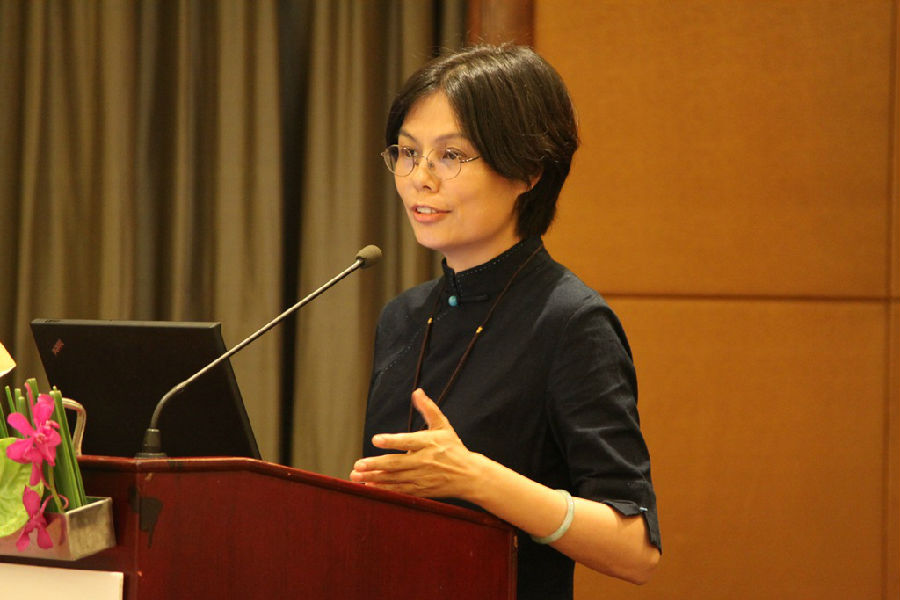
Doctor Lin Caiyi, senior economist from Guotai Junan Securities Co., Ltd proposed different viewpoints for some measures. She pointed out that reform of state-owned commercial banks lied primarily on deinstitutionalization of managerial structure and human resource management. Anti-monopoly should, instead of being carried out through regulating marketing shares, be done by refraining from limited competition through resisting against administrative monopoly.

In the Q & A round, Mr. Xieping exchanged with participants on such issues as liberalizing interest rate floor for loans, reforming urban commercial banks, developing trust companies and carrying out financial open-up and so forth.
“Hongru Forum” is a public seminar jointly launched by Liu Hongru Financial Education Foundation and Shanghai Institute of Finance and Law, and is held regularly once in two weeks. The seminar pays attention to various issues in China’s finance and macro-economy, and devotes itself to building a platform for cross boundary exchanges among excellent scholars, government and market institutions.


