

The long on China - thinking on the top-level design of China’s capital market
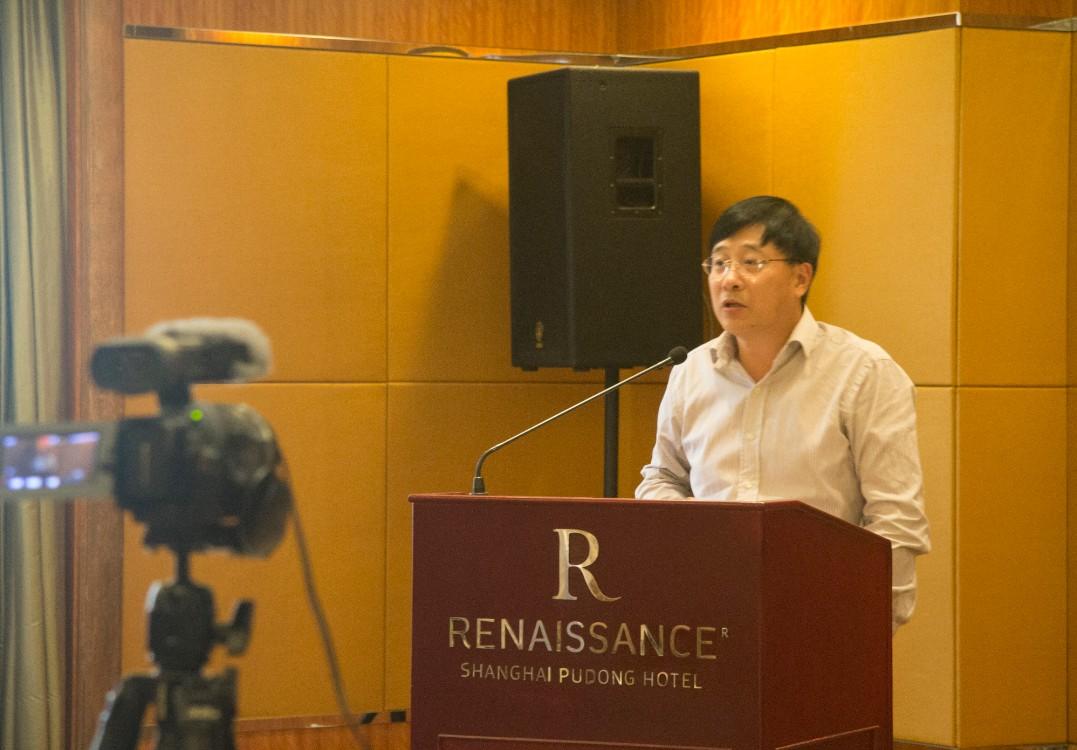
On June 5, 2013, the seminar of “The long on China- thinking on the top-level design of China’s capital market” was held in Shanghai. This is the 7th installment of “Hongru Forum”. In this session, Mr. Nie Qingping, general manager of China Securities Finance Corporation Limited, was invited to give a theme report, Li Qang, chief economist of Xiangcai Securities, Mo Taishan, president of Bodao Investment, Liu Shengjun, vice president of CEIBS Lujiazui Institute of International Finance provided commentary. Liu Hongru Foundation’s Shen Danyi moderated.
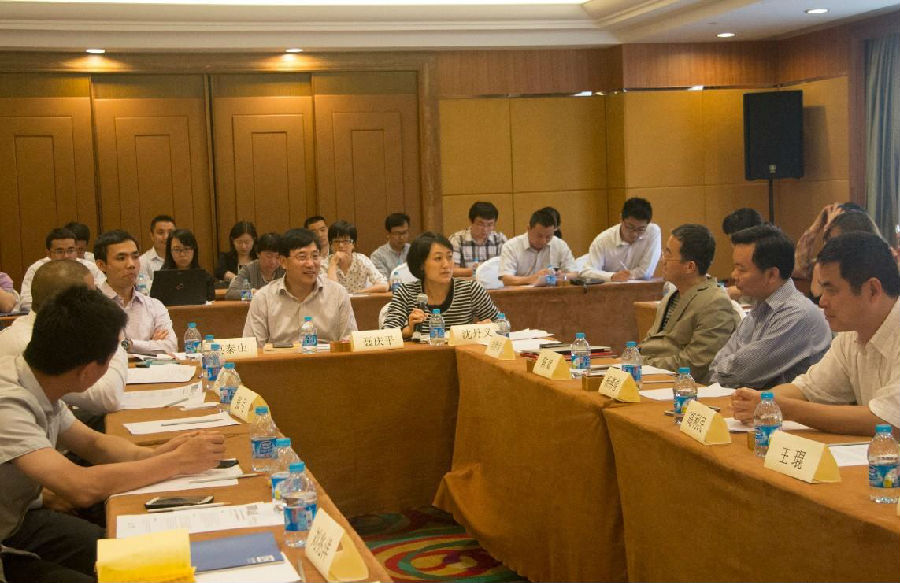
Mr. Nie Qingping firstly introduced his new book the long on China, and answered the question why we still needed to mention the top-level design since the reforms have developed till now. Viewing from the financial reform history, he pointed out that though at various times, different reforms have been carried out for trying to solve different problems, the fundamental problems of the market have not been solved, and solutions of the problem urgently need the top-level design. He spread his own opinions on the top-level design through the four aspects of IPO reform, multilevel market constructions, the opening up of the capital market and financial innovation. Soon afterwards, aiming at the hot problems of China’s capital markets, Mr. Nie Qingping also gave his own opinions. He believed that with the reforms of capital markets, the mode of PE plus IPO could not continue to survive in China’s market, and the future of PE should aim at the cultivation for companies from “smallness”; and aiming at the pushing forward of the New Law on Funds, he regarded it as a huge impact on China’s wealth management industry.
In the subsequent assessment link, several experts carried out detailed discussion with Mr. Nie about reforms. Li Kang, chief economist of Xiangcai Securities put forward that we should think about “what will we do after marketization?” He also put forward that China Securities Regulatory Commission should define its self-positioning, whether fulfilling the duty of “supervision” or giving play to its function of “developing reforms.” And for the reforms, he emphasized that the operability of system design must be strong, and should be “in detail.”
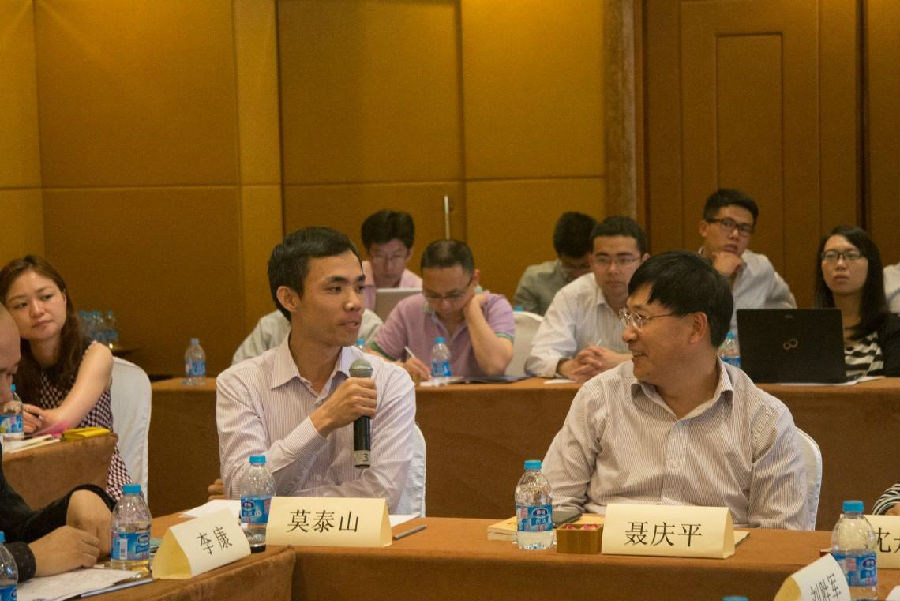
Mo Taishan from Bodao Investment thought that any reform would be restricted by objective conditions, and the reform of IPO was closely related to the mature degree of the growth of institutional investors. In the comments and discussions, he asked Mr. Nie Qingping on whether the reform conditions had been mature. Mr. Nie pointed out that the core of the problem was determination.
Liu Shengjun, vice president of CEIBS Lujiazui Institute of International Finance, agreed the opinion that the IPO system must be reformed, and he thought that the opacity of rules tended to make IPO become a perfect place for rent-seeking of influential officials. At the same time, he also pointed out that the process of reform was certainly very difficult, and the core obstacle was whether we could take a society of “rule of law” as the guarantee of market operation.
At the end of the conference, Nie Qingping also carried out warm interaction with conventioneers, and the issues involved the development trend of fund industry and how the capital markets should be opened. Mr. Nie gave concrete answers for the reasons of his opinions of the long on China, explained the structural mismatch that existed in China’s asset markets, and what he really valued was the asset that was undervalued structurally. He has also further illustrated that the top-level design was the reform on China’s market origin, and it stressed the spirit of being practical and realistic.
“Hongru Forum” is a public seminar jointly launched by Liu Hongru Financial Education Foundation and Shanghai Institute of Finance and Law, and is held regularly once in two weeks. The seminar pays attention to various issues in China’s finance and macro-economy, and devotes itself to building a platform for cross boundary exchanges among excellent scholars, government and market institutions.


